The Laboratory.
We prototype the future of play.
This gallery is our digital cabinet of curiosities. Each project represents a hypothesis about interaction, a question posed to the medium. These are not finished games, but living experiments in tactile design and player agency.
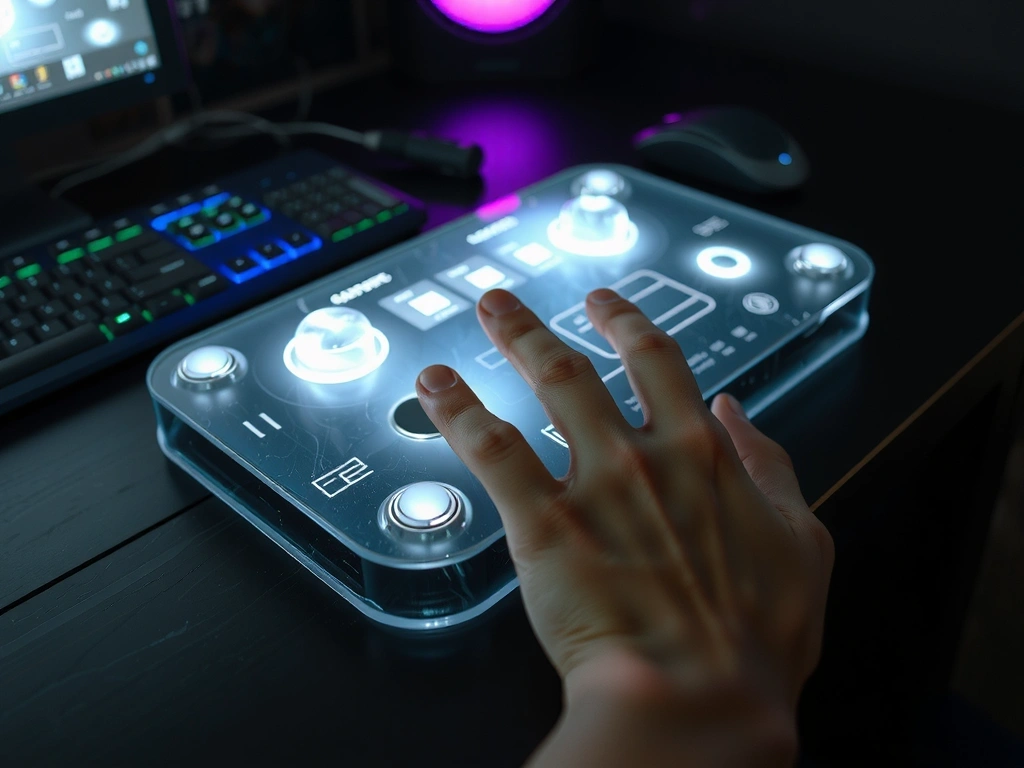
Concept V
Diegetic Interface Prototype - Aether Project
Project Codex: Core Mechanics
A cross-reference matrix for rapid technical assessment.
Anatomy of 'Aether'
To understand our process, we dissect one artifact. 'Aether' was our hypothesis: that a game's UI should be part of the world, not an overlay. The player is a scientist in a derelict station. Every interface is physical—a cracked screen, a holographic projector, a tactile console.
"The goal was to make the player feel the weight of the world, not just see it. If an interface 'breaks' in the narrative, it must break in the interaction."
We sacrificed a traditional HUD. This increased immersion but required a steeper learning curve. The trade-off was managed by designing the haptic feedback to confirm actions in the absence of visual cues.
Trade-off Log
- ✓ Benefit: Diegetic immersion
- ✗ Cost: Discovery friction
- → Mitigation: Haptic-first feedback
Constraint
Must run on mid-tier Android devices (Snapdragon 6xx). This limited particle density and shader complexity, forcing us to use baked lighting and elegant geometry.
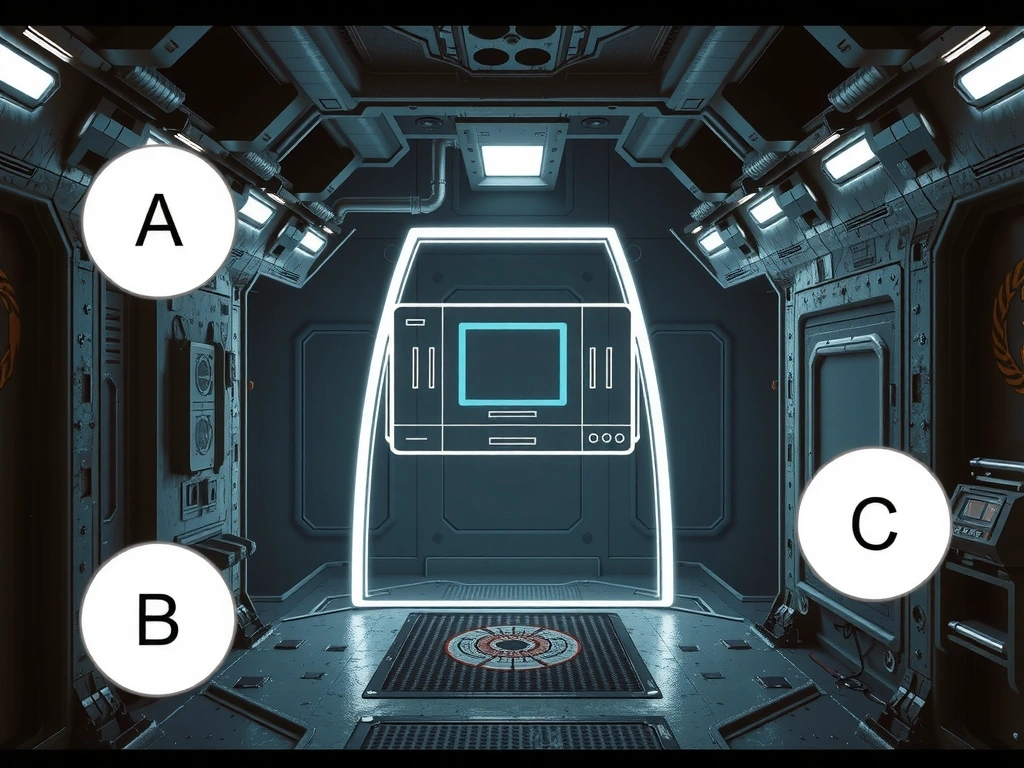
Initial Sketch
First pass: a simpler overlay. Rejected for breaking diegetic promise.
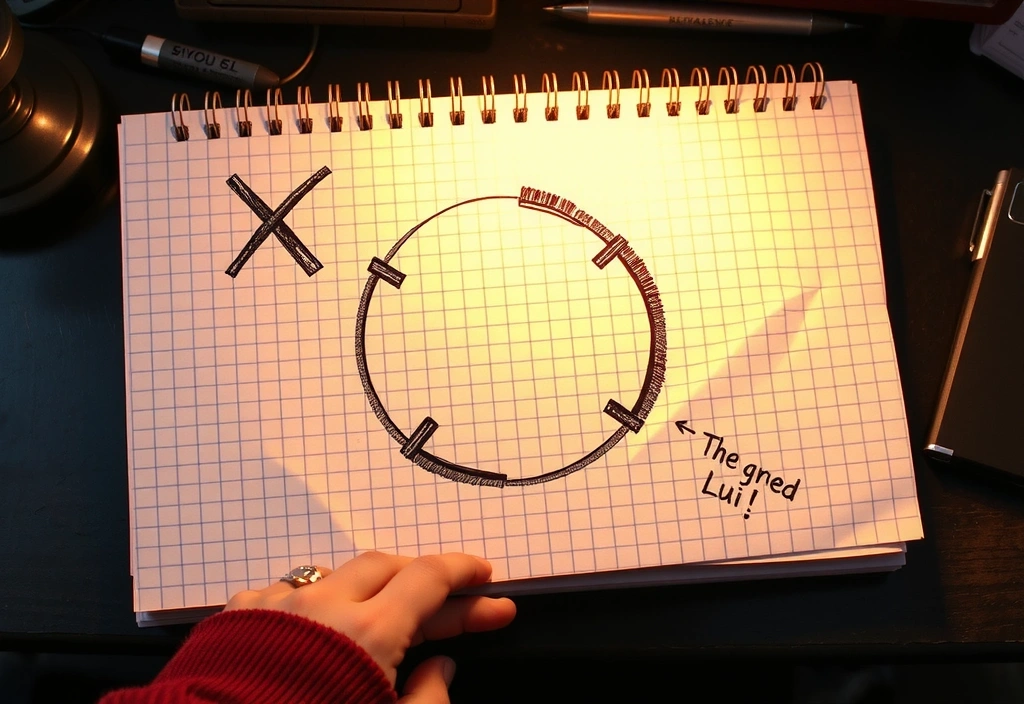
Interaction Logic
Hover to preview core mechanical loops. All animations respect `prefers-reduced-motion`.
Project: OSMOSIS
Magnetic Card Pull
Conveys weight and physics
Project: OSMOSIS
State Transition
Idle → Active State
Project: NEBULA
Variable Font Animation
Audio-Reactive Type
Decision Lens: Go Diegetic?
A framework for evaluating high-immersion UI choices.
Criteria
- World Coherence: Does the UI feel like it exists in the game's reality?
- Functional Clarity: Can the player read vital info instantly?
- Maintenance Cost: How complex is it to update if gameplay changes?
What It Optimizes
-
Immersion & Presence
Player feels *in* the space. -
Narrative Synergy
UI tells part of the story. -
Memorable Aesthetics
Unique visual signature.
What It Sacrifices
-
Instant Readability
Learning curve required. -
Development Bandwidth
Custom systems vs. standard assets. -
Accessibility Overhead
Requires more testing for cognitive load.
Studio Lexicon: Terms of Art
Tactile Depth
Our rejection of flat design. Using light, shadow, and texture to imply physical layers in a 2D plane. Opinion: It's not skeuomorphism; it's a UI literacy layer.
Haptic State
An interaction defined by expected physical feedback (vibration, resistance) as much as visual change. Opinion: The screen is a controller.
Diegetic
Interface elements that exist within the game's world space. Opinion: The gold standard for narrative games, with a steep design cost.
Glitch-Punk
An aesthetic using intentional digital corruption and error states as visual language. Opinion: Useful for breaking UI expectations in meta-narratives.
Silence Layer
Making *no* sound or visual response a deliberate, weighted interaction choice. Opinion: More powerful than any flashy effect.
Kinetic Type
Typography that moves with intent, tied to game state or input. Opinion: It must never obscure gameplay data.
Have a concept?
We prototype for studios, publishers, and ambitious independents. If you have a core interaction loop you want to test before committing to full production, let's talk.
Gametrax Studio
Working Hours
Mon-Fri: 9:00-18:00 CET